

Stop Eating These 8 Foods in Excess Right Now — They Can DAMAGE Your BRAIN
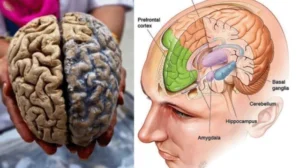
Your brain is the command center of your entire body. It controls your thoughts, emotions, memory, movement, and even your heartbeat. But what many people don’t realize is that certain foods — when eaten too often or in large amounts — can slowly impair brain function, reduce memory, weaken focus, and increase the risk of long-term neurological problems.
While moderation is key, research shows that the following foods can negatively affect brain health if consumed in excess. Here are the 8 foods you should reduce immediately to protect your brain.
1. Sugary Foods & Sweetened Drinks
Foods high in refined sugar — such as soft drinks, pastries, candies, energy drinks, and sugary cereals — cause rapid spikes in blood sugar. Over time, this leads to:
Impaired memory
Inflammation of brain cells
Increased risk of depression
Higher likelihood of developing dementia
Excess sugar also reduces the production of a key brain chemical called BDNF (Brain-Derived Neurotrophic Factor), which is essential for learning and memory.
2. Trans Fats (Hydrogenated Oils)
Trans fats are found in margarine, baked snacks, fried fast foods, doughnuts, and many packaged baked goods.
Excessive intake is linked to:
Slower brain processing
Poor memory
Increased inflammation
Higher risk of Alzheimer’s disease
These fats disrupt the structure of brain cell membranes, making them less efficient.
3. Highly Processed Foods
Instant noodles, sausages, chips, biscuits, canned meats, and packaged snacks are low in nutrients but high in additives.
Eating them excessively:
Shrinks parts of the brain linked to learning and emotional control
Increases anxiety and depressive symptoms
Causes brain fog
Processed foods often contain artificial preservatives and flavor enhancers that overstimulate the brain.
4. Excess Alcohol
Moderate drinking may be socially acceptable, but heavy or frequent alcohol intake harms the brain.
Too much alcohol can cause:
Memory loss
Poor judgment and slow thinking
Vitamin B1 deficiency (leading to Wernicke-Korsakoff syndrome)
Brain shrinkage over time
Alcohol also interferes with sleep, which is critical for brain repair.
5. Aspartame and Artificial Sweeteners
Commonly found in “diet” drinks, sugar-free gum, and low-calorie snacks, these sweeteners can negatively affect brain function when consumed excessively.
Potential effects include:
Headaches
Anxiety
Poor sleep
Reduced cognitive performance
Some sensitive individuals experience worsened mood and irritability.
6. Fried Foods
Regular consumption of deep-fried foods — like fried chicken, fish, plantain chips, puff-puff, akara, and fries — introduces harmful compounds called Advanced Glycation End-products (AGEs).
These compounds:
Promote inflammation in brain tissues
Reduce memory
Slow down cognitive speed
Fried oils used repeatedly (as seen in street food) are even more harmful.
7. Excess Red Meat & Processed Meats
Eating large amounts of beef, bacon, hot dogs, suya, sausages, and corned beef may increase the risk of poor brain performance.
Reasons include:
High saturated fat content
Increased oxidative stress
Higher levels of inflammation
Heavy red-meat diets are linked to faster brain aging.
8. High-Sodium (Salty) Foods
Packaged noodles, salted snacks, canned soups, seasoning cubes, and processed foods contain extremely high levels of sodium.
Excess sodium can cause:
Memory problems
Reduced focus
High blood pressure that damages brain arteries
Increased risk of stroke
A salty diet also affects the balance of fluids in brain cells.
Protect Your Brain — What to Eat Instead
To maintain strong memory, focus, and mental clarity, include more of these brain-friendly foods:
Fresh fruits and vegetables
Whole grains
Oily fish (salmon, sardines, mackerel)
Eggs
Nuts and seeds
Olive oil and avocado
Beans and legumes
These foods support brain cells, improve blood flow, and reduce inflammation.
Final Thoughts
Your brain is too important to neglect. While you don’t have to eliminate these 8 foods completely, moderation is essential. Reducing excessive intake today can protect your memory, improve your mood, sharpen your thinking, and reduce the risk of long-term brain disorders.

Leave a Reply