

Why You Should Be Careful About the Type Of Bread You Eat
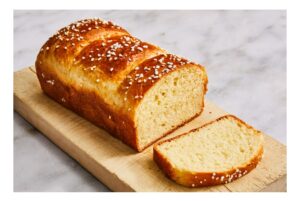
Bread might not have the best reputation in health circles, but it’s far from the enemy, as long as you know what kind to eat. Despite popular belief, bread has been a staple of human diets for millennia, with flatbread recipes dating back more than 14,000 years. So instead of demonising it, perhaps it’s time to reclaim it, with care.
“I eat a slice of bread a day, either for breakfast or lunch,” the author shares. “It’s one of the first things humans made… let’s not demonise it but enjoy it.”
Daily Bread, Done Right
Most days, that means homemade sourdough rye bread, made from wholemeal and rye flours, malted flakes, salt, water, a sourdough starter, and a mix of nuts and seeds. Dense, nutty, and deeply satisfying, this loaf is rich in fibre, free of additives, and so filling that a small amount goes a long way.
The author often freezes extra slices for convenience. When there’s no time to bake, shop-bought options like Gail’s rye and barley sourdough, M&S’s rye sourdough, or long-life German rye bread fill the gap. He avoids heavily processed supermarket loaves, even wholemeal ones, unless there’s no other option, describing them as sugary, artificial, and ultimately unsatisfying.
But even for the health-conscious, indulgence has its place. “My guilty pleasure is warm bread in restaurants,” he admits — focaccia and ciabatta dripping in olive oil. “I’ve found that I’m not very good at saying no to it… I see it as a treat.”
Smarter Toppings for Better Bread
Gone are the days of meal deals and mayo-laden sandwiches. “In my 25 years working as a hospital doctor, I’d buy a daily meal deal… in health terms, probably the worst possible invention in the name of convenience.” His typical choice? Tuna and sweetcorn or cucumber with mayo on brown bread, crisps and juice — now recognised as far from healthy.
Instead, he now makes open-faced sandwiches with gut-friendly toppings. Quick options include cream cheese with sauerkraut or kimchi, both fermented foods that support digestion. “We could be snobby and say [Philadelphia] is mass-produced… but fermented food improves your digestion and gut health,” he explains.
When there’s more time, it’s toasted bread drizzled with olive oil, layered with hummus, jarred artichokes, and more fermented vegetables. For a satisfying treat, he enjoys dipping bread in olive oil and balsamic vinegar — a luxurious yet health-conscious combo full of healthy fats.
The goal? Avoid falling into the sandwich rut. “We spend an estimated £48,000 over a lifetime on the same single-ingredient sandwich,” he warns. “It reduces the diversity of plants you’re eating, depriving your gut microbes of a treat.” The typical UK favourites — ham and cheese, BLTs, prawn mayo — don’t offer much nutritional value.
His advice: “Try veggie options instead. Most people like hummus but don’t think to put it on a sandwich. Try to be more adventurous.”
How to Buy a Better Loaf
Healthy bread is hard to find in supermarkets. Packaging is often misleading, with terms like “wholegrain” and “sourdough” used loosely and dyes added to mimic healthier loaves.
“There’s no agreed legal definition for the words wholegrain, or freshly baked,” he notes. Many “freshly baked” supermarket loaves are frozen for up to two years and simply reheated in-store to release that enticing smell.
The only way to know what you’re getting is to read the ingredients list. Look for:
High fibre content (ideally 6–10%) Minimal sugar A short ingredient list without emulsifiers or palm oil
If vitamins are added, it may indicate the bread is made with refined flour, which legally requires fortification. These added nutrients, he warns, are often synthetic and may not be effective.
Highly processed loaves are also hyperpalatable, designed to encourage overeating with a mix of sugar, fat and salt. A fibre-rich bread, on the other hand, fills you up faster, helping you eat less overall.
“Loaves made with rye flour, spelt flour or wholegrains are best,” he says. “If you’re just a bit fussier about the bread you eat, you can actually improve your health a lot.”
The takeaway? You don’t have to give up bread, but what kind you eat matters. Pick smarter, eat better.





Leave a Reply