

How to choose good phone charger in 2025
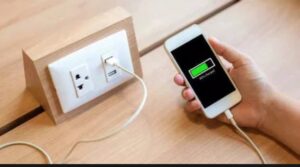
S electing the perfect phone charger may seem straightforward, but it is much more than just picking the cheapest one on the rack. Using the wrong charger can not only slow down the charging speed of your phone but it can also cause complete battery damage and it can even pose a fire hazard. Whether looking for a quick replacement for a lost charger or deciding to upgrade to something quicker and safer, this guide explains how to choose a phone charger for Android and iPhone.
There are two basic types of phone chargers — wired and wireless. Each type has pros and cons depending on your phone, usage, and how quickly you’re looking to charge it.
Charger Type Example Pros Cons Use Case
USB-A to Micro-USB Older Android devices Cheap, widely available Slow, outdated Backup or older phones
USB-A to USB-C Newer Android devices Faster than Micro-USB Needs specific cable Daily use for modern phones
USB-C to USB-C Samsung, Google Pixel Very fast, supports PD charging Charger block must also support PD Fast charging for new Android phones
USB-C to Lightning Newer iPhones Fast charging with correct adapter Must be MFi certified for safety Daily charging for iPhone 8 and up
Wall Charger (AC) Home charging Most stable and safe Not portable Charging at home or office
Car Charger (DC) In-car charging Great for travel Depends on vehicle power output Road trips, daily commute
Qi Wireless Charger All Qi-supported devices No wires, easy to use Slower than wired, phone heats up At desk or nightstand
MagSafe Charger iPhone 12 and newer Magnetic alignment, stable connection Works best with MagSafe-supported cases Apple users who prefer wireless charging
When it’s time to buy a phone charger, don’t just focus on the price tag. Here’s what really matters:
The higher the wattage, the faster your phone can charge, if it is compatible. The majority of phones charge within the 10W to 25W range, while select models such as the Samsung S24 Ultra or Xiaomi 13 Pro can hit 45W and upward. You must always use a charger with the same wattage as your supported phone.
Need to power up more than a single device? Choose chargers with several ports (USB-A, USB-C). If you’ve got a family or are heading off on a road trip, dual or triple-port chargers are ideal.
Different phones use different fast-charging systems. Here are a few you’ll see:
Pick a charger that supports the fast-charging standard your phone uses to get the quickest fill-up.
Always choose chargers that have safety certifications like UL, CE, FCC, or RoHS. These labels mean the charger passed tests and is safe to use.
Go with brands you trust, like Anker, Belkin, Aukey, or the original charger from the manufacturer of your phone. Don’t use a cheap, no-name charger. It might work initially, but it could ruin your phone or catch fire.
A bad cable will ruin even the best charger. Use cables authorized for the proper type of charger and compatible with phone chargers such as USB-C or Lightning. A decent cable is one that can handle the same charging speed that your charger and your phone can support.
There is a variety of wall chargers. If you are frequently on the go, opt for a compact, portable charger with foldable prongs that can easily slip into your bag.
You don’t need the cheapest option, but it’s also not smart to spend a fortune. Mid-range chargers from trusted brands usually give you the best mix of price and safety.
Still wondering, “What type of phone charger do I need?” Just check your phone model, the fastest charging speed it supports, and the type of cable that came in the box, and choose accordingly.
When picking a charger for your Android phone, first check which charging standards your phone actually supports.
All iPhones from iPhone 8 and newer can fast-charge. The iPhone 15 and newer models use USB-C, while older ones use the Lightning port.
Fake Lightning cables can overheat, stop working, or harm your device. MFi-certified chargers and cables help protect your battery and keep your iPhone safe.
Wireless chargers are great for anyone who wants an easy way to charge their phone without messing around with cables every time.
Most Android phones and all iPhones from the iPhone 8 onward support Qi wireless charging, which is the universal standard. That means you can use the same charger for different brands.
MagSafe is Apple’s magnetic wireless charging solution for iPhone 12 and newer. It offers some nice extras:
If you’re an iPhone user and want the ease of wireless charging without giving up speed, a MagSafe charger is the way to go.
A lot of people wonder when to charge a cell phone. A smart rule of thumb is to keep your battery between 20% and 80%. Going all the way to 0% or charging up to 100% too often can wear the battery down over time.
Most modern phones have built-in battery protection, but sticking to that 20% to 80% range can stretch your battery’s life a little longer.
Picking the right phone charger is simpler than it seems. Start by checking the charging speed, the type of port, and the safety standards your phone needs. After that, you can easily choose a charger that fits. Whether you have an iPhone, a Samsung, or any other Android, the charger you select affects how long your battery lasts and how hassle-free your daily routine is.
[Android]





Leave a Reply